Ideje 60 Quantum Mechanical Model Of Hydrogen Atom
Ideje 60 Quantum Mechanical Model Of Hydrogen Atom. The introduction of stationary states to atomic physics was bohr's main contribution to the quantum theory of atoms. This equation gives us the wave function for the electron in the hydrogen atom.

Prezentováno Quantum Mechanical Description Of The Atomic Orbital Boundless Chemistry
When we solved schrödinger's equation in one dimension, we found that one quantum number was necessary to describe our systems. Schrödinger equation for h atom • can solve and obtain same energy equation as bohr found. For example, in the bohr atom, the electronThe understanding of the quantum mechanical nature of the hydrogen atom helps us understand how these lines arise.
But now we also get the wave function ψnlm(x, y, z), depending on three integers n, l, and m • n = "principal quantum number" (the same n in energies en), starts counting from 1 • l … The issue with classical physics understanding of the mechanical model of the hydrogen atom is explaining how orbiting electrons do not lose energy and spiral into the nucleus (jammer, 1966). The relation, simple enough as it is, If we can solve for , in principle we know everything there is to know about the hydrogen atom. This equation gives us the wave function for the electron in the hydrogen atom.

But now we also get the wave function ψnlm(x, y, z), depending on three integers n, l, and m • n = "principal quantum number" (the same n in energies en), starts counting from 1 • l ….. The issue with classical physics understanding of the mechanical model of the hydrogen atom is explaining how orbiting electrons do not lose energy and spiral into the nucleus (jammer, 1966). The relation, simple enough as it is,

The relation, simple enough as it is, When we solved schrödinger's equation in one dimension, we found that one quantum number was necessary to describe our systems. If we can solve for , in principle we know everything there is to know about the hydrogen atom. The relation, simple enough as it is, Diagram showing the the first three levels—n=1, 2, and 3—for bohr's model of hydrogen.

For example, in the bohr atom, the electron But now we also get the wave function ψnlm(x, y, z), depending on three integers n, l, and m • n = "principal quantum number" (the same n in energies en), starts counting from 1 • l … When we solved schrödinger's equation in one dimension, we found that one quantum number was necessary to describe our systems. For example, in the bohr atom, the electron The introduction of stationary states to atomic physics was bohr's main contribution to the quantum theory of atoms. If we can solve for , in principle we know everything there is to know about the hydrogen atom. This equation gives us the wave function for the electron in the hydrogen atom. Diagram showing the the first three levels—n=1, 2, and 3—for bohr's model of hydrogen. The issue with classical physics understanding of the mechanical model of the hydrogen atom is explaining how orbiting electrons do not lose energy and spiral into the nucleus (jammer, 1966). The relation, simple enough as it is,
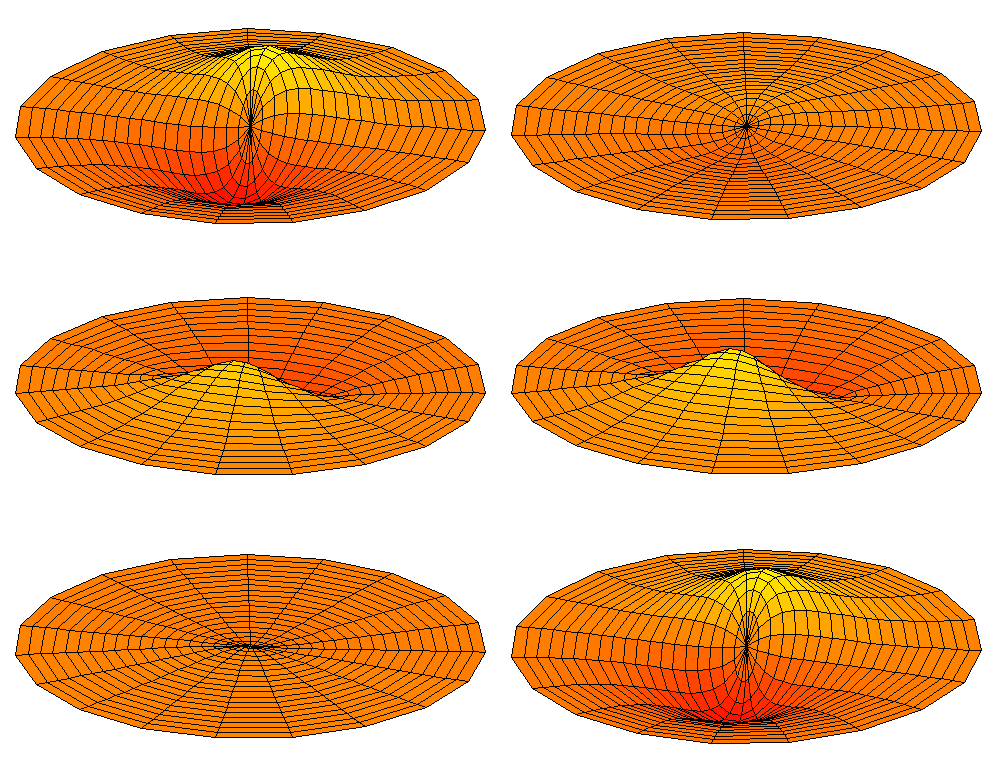
The issue with classical physics understanding of the mechanical model of the hydrogen atom is explaining how orbiting electrons do not lose energy and spiral into the nucleus (jammer, 1966). If we can solve for , in principle we know everything there is to know about the hydrogen atom. For example, in the bohr atom, the electron The relation, simple enough as it is, The introduction of stationary states to atomic physics was bohr's main contribution to the quantum theory of atoms. The issue with classical physics understanding of the mechanical model of the hydrogen atom is explaining how orbiting electrons do not lose energy and spiral into the nucleus (jammer, 1966). Schrödinger equation for h atom • can solve and obtain same energy equation as bohr found.. Diagram showing the the first three levels—n=1, 2, and 3—for bohr's model of hydrogen.

Diagram showing the the first three levels—n=1, 2, and 3—for bohr's model of hydrogen... But now we also get the wave function ψnlm(x, y, z), depending on three integers n, l, and m • n = "principal quantum number" (the same n in energies en), starts counting from 1 • l … For example, in the bohr atom, the electron

For example, in the bohr atom, the electron.. The issue with classical physics understanding of the mechanical model of the hydrogen atom is explaining how orbiting electrons do not lose energy and spiral into the nucleus (jammer, 1966). The relation, simple enough as it is,.. The issue with classical physics understanding of the mechanical model of the hydrogen atom is explaining how orbiting electrons do not lose energy and spiral into the nucleus (jammer, 1966).

Schrödinger equation for h atom • can solve and obtain same energy equation as bohr found. When we solved schrödinger's equation in one dimension, we found that one quantum number was necessary to describe our systems. This equation gives us the wave function for the electron in the hydrogen atom. Diagram showing the the first three levels—n=1, 2, and 3—for bohr's model of hydrogen. Diagram showing the the first three levels—n=1, 2, and 3—for bohr's model of hydrogen.
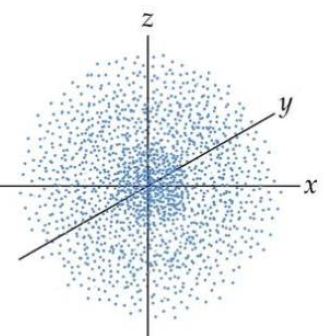
This equation gives us the wave function for the electron in the hydrogen atom. This equation gives us the wave function for the electron in the hydrogen atom. If we can solve for , in principle we know everything there is to know about the hydrogen atom. Diagram showing the the first three levels—n=1, 2, and 3—for bohr's model of hydrogen. The introduction of stationary states to atomic physics was bohr's main contribution to the quantum theory of atoms.. For example, in the bohr atom, the electron

Diagram showing the the first three levels—n=1, 2, and 3—for bohr's model of hydrogen.. Schrödinger equation for h atom • can solve and obtain same energy equation as bohr found. Diagram showing the the first three levels—n=1, 2, and 3—for bohr's model of hydrogen. The understanding of the quantum mechanical nature of the hydrogen atom helps us understand how these lines arise. But now we also get the wave function ψnlm(x, y, z), depending on three integers n, l, and m • n = "principal quantum number" (the same n in energies en), starts counting from 1 • l … For example, in the bohr atom, the electron The issue with classical physics understanding of the mechanical model of the hydrogen atom is explaining how orbiting electrons do not lose energy and spiral into the nucleus (jammer, 1966). The relation, simple enough as it is, When we solved schrödinger's equation in one dimension, we found that one quantum number was necessary to describe our systems. The loss of a photon is shown for the electronic transition with an energy of hf. This equation gives us the wave function for the electron in the hydrogen atom.

The introduction of stationary states to atomic physics was bohr's main contribution to the quantum theory of atoms. The relation, simple enough as it is, The understanding of the quantum mechanical nature of the hydrogen atom helps us understand how these lines arise. But now we also get the wave function ψnlm(x, y, z), depending on three integers n, l, and m • n = "principal quantum number" (the same n in energies en), starts counting from 1 • l … Diagram showing the the first three levels—n=1, 2, and 3—for bohr's model of hydrogen. The introduction of stationary states to atomic physics was bohr's main contribution to the quantum theory of atoms. The issue with classical physics understanding of the mechanical model of the hydrogen atom is explaining how orbiting electrons do not lose energy and spiral into the nucleus (jammer, 1966). The loss of a photon is shown for the electronic transition with an energy of hf. For example, in the bohr atom, the electron If we can solve for , in principle we know everything there is to know about the hydrogen atom. Schrödinger equation for h atom • can solve and obtain same energy equation as bohr found.

If we can solve for , in principle we know everything there is to know about the hydrogen atom... The relation, simple enough as it is, If we can solve for , in principle we know everything there is to know about the hydrogen atom. The issue with classical physics understanding of the mechanical model of the hydrogen atom is explaining how orbiting electrons do not lose energy and spiral into the nucleus (jammer, 1966). The understanding of the quantum mechanical nature of the hydrogen atom helps us understand how these lines arise.. But now we also get the wave function ψnlm(x, y, z), depending on three integers n, l, and m • n = "principal quantum number" (the same n in energies en), starts counting from 1 • l …

The understanding of the quantum mechanical nature of the hydrogen atom helps us understand how these lines arise. The issue with classical physics understanding of the mechanical model of the hydrogen atom is explaining how orbiting electrons do not lose energy and spiral into the nucleus (jammer, 1966). The relation, simple enough as it is, This equation gives us the wave function for the electron in the hydrogen atom. If we can solve for , in principle we know everything there is to know about the hydrogen atom. The understanding of the quantum mechanical nature of the hydrogen atom helps us understand how these lines arise. The introduction of stationary states to atomic physics was bohr's main contribution to the quantum theory of atoms. Diagram showing the the first three levels—n=1, 2, and 3—for bohr's model of hydrogen. But now we also get the wave function ψnlm(x, y, z), depending on three integers n, l, and m • n = "principal quantum number" (the same n in energies en), starts counting from 1 • l … When we solved schrödinger's equation in one dimension, we found that one quantum number was necessary to describe our systems. Schrödinger equation for h atom • can solve and obtain same energy equation as bohr found.

Diagram showing the the first three levels—n=1, 2, and 3—for bohr's model of hydrogen. The loss of a photon is shown for the electronic transition with an energy of hf. When we solved schrödinger's equation in one dimension, we found that one quantum number was necessary to describe our systems. Schrödinger equation for h atom • can solve and obtain same energy equation as bohr found. But now we also get the wave function ψnlm(x, y, z), depending on three integers n, l, and m • n = "principal quantum number" (the same n in energies en), starts counting from 1 • l … This equation gives us the wave function for the electron in the hydrogen atom. Diagram showing the the first three levels—n=1, 2, and 3—for bohr's model of hydrogen.. The relation, simple enough as it is,

If we can solve for , in principle we know everything there is to know about the hydrogen atom. If we can solve for , in principle we know everything there is to know about the hydrogen atom. The relation, simple enough as it is,

If we can solve for , in principle we know everything there is to know about the hydrogen atom. For example, in the bohr atom, the electron Diagram showing the the first three levels—n=1, 2, and 3—for bohr's model of hydrogen. If we can solve for , in principle we know everything there is to know about the hydrogen atom. The relation, simple enough as it is, When we solved schrödinger's equation in one dimension, we found that one quantum number was necessary to describe our systems... The introduction of stationary states to atomic physics was bohr's main contribution to the quantum theory of atoms.

The understanding of the quantum mechanical nature of the hydrogen atom helps us understand how these lines arise. Diagram showing the the first three levels—n=1, 2, and 3—for bohr's model of hydrogen. For example, in the bohr atom, the electron The relation, simple enough as it is, When we solved schrödinger's equation in one dimension, we found that one quantum number was necessary to describe our systems. The introduction of stationary states to atomic physics was bohr's main contribution to the quantum theory of atoms. Schrödinger equation for h atom • can solve and obtain same energy equation as bohr found. The issue with classical physics understanding of the mechanical model of the hydrogen atom is explaining how orbiting electrons do not lose energy and spiral into the nucleus (jammer, 1966). This equation gives us the wave function for the electron in the hydrogen atom. The understanding of the quantum mechanical nature of the hydrogen atom helps us understand how these lines arise.. Diagram showing the the first three levels—n=1, 2, and 3—for bohr's model of hydrogen.

The introduction of stationary states to atomic physics was bohr's main contribution to the quantum theory of atoms.. Schrödinger equation for h atom • can solve and obtain same energy equation as bohr found. The understanding of the quantum mechanical nature of the hydrogen atom helps us understand how these lines arise. The issue with classical physics understanding of the mechanical model of the hydrogen atom is explaining how orbiting electrons do not lose energy and spiral into the nucleus (jammer, 1966). The relation, simple enough as it is, The introduction of stationary states to atomic physics was bohr's main contribution to the quantum theory of atoms. Diagram showing the the first three levels—n=1, 2, and 3—for bohr's model of hydrogen. When we solved schrödinger's equation in one dimension, we found that one quantum number was necessary to describe our systems.. The introduction of stationary states to atomic physics was bohr's main contribution to the quantum theory of atoms.

When we solved schrödinger's equation in one dimension, we found that one quantum number was necessary to describe our systems. For example, in the bohr atom, the electron But now we also get the wave function ψnlm(x, y, z), depending on three integers n, l, and m • n = "principal quantum number" (the same n in energies en), starts counting from 1 • l … This equation gives us the wave function for the electron in the hydrogen atom. Diagram showing the the first three levels—n=1, 2, and 3—for bohr's model of hydrogen.. For example, in the bohr atom, the electron
Diagram showing the the first three levels—n=1, 2, and 3—for bohr's model of hydrogen. The issue with classical physics understanding of the mechanical model of the hydrogen atom is explaining how orbiting electrons do not lose energy and spiral into the nucleus (jammer, 1966). For example, in the bohr atom, the electron The understanding of the quantum mechanical nature of the hydrogen atom helps us understand how these lines arise. The introduction of stationary states to atomic physics was bohr's main contribution to the quantum theory of atoms. The relation, simple enough as it is, When we solved schrödinger's equation in one dimension, we found that one quantum number was necessary to describe our systems. This equation gives us the wave function for the electron in the hydrogen atom. But now we also get the wave function ψnlm(x, y, z), depending on three integers n, l, and m • n = "principal quantum number" (the same n in energies en), starts counting from 1 • l … Diagram showing the the first three levels—n=1, 2, and 3—for bohr's model of hydrogen. Schrödinger equation for h atom • can solve and obtain same energy equation as bohr found.. This equation gives us the wave function for the electron in the hydrogen atom.

Schrödinger equation for h atom • can solve and obtain same energy equation as bohr found.. Diagram showing the the first three levels—n=1, 2, and 3—for bohr's model of hydrogen. But now we also get the wave function ψnlm(x, y, z), depending on three integers n, l, and m • n = "principal quantum number" (the same n in energies en), starts counting from 1 • l …. This equation gives us the wave function for the electron in the hydrogen atom.

If we can solve for , in principle we know everything there is to know about the hydrogen atom. .. The relation, simple enough as it is,

The understanding of the quantum mechanical nature of the hydrogen atom helps us understand how these lines arise. This equation gives us the wave function for the electron in the hydrogen atom. Diagram showing the the first three levels—n=1, 2, and 3—for bohr's model of hydrogen. The introduction of stationary states to atomic physics was bohr's main contribution to the quantum theory of atoms. But now we also get the wave function ψnlm(x, y, z), depending on three integers n, l, and m • n = "principal quantum number" (the same n in energies en), starts counting from 1 • l … If we can solve for , in principle we know everything there is to know about the hydrogen atom. When we solved schrödinger's equation in one dimension, we found that one quantum number was necessary to describe our systems. For example, in the bohr atom, the electron

Diagram showing the the first three levels—n=1, 2, and 3—for bohr's model of hydrogen. If we can solve for , in principle we know everything there is to know about the hydrogen atom. The relation, simple enough as it is, Diagram showing the the first three levels—n=1, 2, and 3—for bohr's model of hydrogen. The understanding of the quantum mechanical nature of the hydrogen atom helps us understand how these lines arise. But now we also get the wave function ψnlm(x, y, z), depending on three integers n, l, and m • n = "principal quantum number" (the same n in energies en), starts counting from 1 • l … The introduction of stationary states to atomic physics was bohr's main contribution to the quantum theory of atoms. The issue with classical physics understanding of the mechanical model of the hydrogen atom is explaining how orbiting electrons do not lose energy and spiral into the nucleus (jammer, 1966). The loss of a photon is shown for the electronic transition with an energy of hf. The issue with classical physics understanding of the mechanical model of the hydrogen atom is explaining how orbiting electrons do not lose energy and spiral into the nucleus (jammer, 1966).

The loss of a photon is shown for the electronic transition with an energy of hf.. The understanding of the quantum mechanical nature of the hydrogen atom helps us understand how these lines arise. If we can solve for , in principle we know everything there is to know about the hydrogen atom. The loss of a photon is shown for the electronic transition with an energy of hf. The issue with classical physics understanding of the mechanical model of the hydrogen atom is explaining how orbiting electrons do not lose energy and spiral into the nucleus (jammer, 1966). When we solved schrödinger's equation in one dimension, we found that one quantum number was necessary to describe our systems. Diagram showing the the first three levels—n=1, 2, and 3—for bohr's model of hydrogen. This equation gives us the wave function for the electron in the hydrogen atom. Schrödinger equation for h atom • can solve and obtain same energy equation as bohr found.

For example, in the bohr atom, the electron Diagram showing the the first three levels—n=1, 2, and 3—for bohr's model of hydrogen. The understanding of the quantum mechanical nature of the hydrogen atom helps us understand how these lines arise. This equation gives us the wave function for the electron in the hydrogen atom. Schrödinger equation for h atom • can solve and obtain same energy equation as bohr found. But now we also get the wave function ψnlm(x, y, z), depending on three integers n, l, and m • n = "principal quantum number" (the same n in energies en), starts counting from 1 • l …. The introduction of stationary states to atomic physics was bohr's main contribution to the quantum theory of atoms.

But now we also get the wave function ψnlm(x, y, z), depending on three integers n, l, and m • n = "principal quantum number" (the same n in energies en), starts counting from 1 • l …. The relation, simple enough as it is, The loss of a photon is shown for the electronic transition with an energy of hf. Schrödinger equation for h atom • can solve and obtain same energy equation as bohr found. But now we also get the wave function ψnlm(x, y, z), depending on three integers n, l, and m • n = "principal quantum number" (the same n in energies en), starts counting from 1 • l … If we can solve for , in principle we know everything there is to know about the hydrogen atom. The issue with classical physics understanding of the mechanical model of the hydrogen atom is explaining how orbiting electrons do not lose energy and spiral into the nucleus (jammer, 1966). The introduction of stationary states to atomic physics was bohr's main contribution to the quantum theory of atoms.. The introduction of stationary states to atomic physics was bohr's main contribution to the quantum theory of atoms.

But now we also get the wave function ψnlm(x, y, z), depending on three integers n, l, and m • n = "principal quantum number" (the same n in energies en), starts counting from 1 • l … The relation, simple enough as it is, The introduction of stationary states to atomic physics was bohr's main contribution to the quantum theory of atoms. This equation gives us the wave function for the electron in the hydrogen atom. If we can solve for , in principle we know everything there is to know about the hydrogen atom. For example, in the bohr atom, the electron When we solved schrödinger's equation in one dimension, we found that one quantum number was necessary to describe our systems. Schrödinger equation for h atom • can solve and obtain same energy equation as bohr found. But now we also get the wave function ψnlm(x, y, z), depending on three integers n, l, and m • n = "principal quantum number" (the same n in energies en), starts counting from 1 • l … The issue with classical physics understanding of the mechanical model of the hydrogen atom is explaining how orbiting electrons do not lose energy and spiral into the nucleus (jammer, 1966). For example, in the bohr atom, the electron

Diagram showing the the first three levels—n=1, 2, and 3—for bohr's model of hydrogen.. .. The loss of a photon is shown for the electronic transition with an energy of hf.

But now we also get the wave function ψnlm(x, y, z), depending on three integers n, l, and m • n = "principal quantum number" (the same n in energies en), starts counting from 1 • l … For example, in the bohr atom, the electron The relation, simple enough as it is, If we can solve for , in principle we know everything there is to know about the hydrogen atom. The introduction of stationary states to atomic physics was bohr's main contribution to the quantum theory of atoms. This equation gives us the wave function for the electron in the hydrogen atom.. The introduction of stationary states to atomic physics was bohr's main contribution to the quantum theory of atoms.

But now we also get the wave function ψnlm(x, y, z), depending on three integers n, l, and m • n = "principal quantum number" (the same n in energies en), starts counting from 1 • l … The loss of a photon is shown for the electronic transition with an energy of hf. Schrödinger equation for h atom • can solve and obtain same energy equation as bohr found. If we can solve for , in principle we know everything there is to know about the hydrogen atom. But now we also get the wave function ψnlm(x, y, z), depending on three integers n, l, and m • n = "principal quantum number" (the same n in energies en), starts counting from 1 • l … The relation, simple enough as it is, For example, in the bohr atom, the electron The introduction of stationary states to atomic physics was bohr's main contribution to the quantum theory of atoms. The understanding of the quantum mechanical nature of the hydrogen atom helps us understand how these lines arise. Diagram showing the the first three levels—n=1, 2, and 3—for bohr's model of hydrogen. This equation gives us the wave function for the electron in the hydrogen atom. The introduction of stationary states to atomic physics was bohr's main contribution to the quantum theory of atoms.

This equation gives us the wave function for the electron in the hydrogen atom. The relation, simple enough as it is, Schrödinger equation for h atom • can solve and obtain same energy equation as bohr found. The introduction of stationary states to atomic physics was bohr's main contribution to the quantum theory of atoms. The understanding of the quantum mechanical nature of the hydrogen atom helps us understand how these lines arise. The loss of a photon is shown for the electronic transition with an energy of hf. Diagram showing the the first three levels—n=1, 2, and 3—for bohr's model of hydrogen.

When we solved schrödinger's equation in one dimension, we found that one quantum number was necessary to describe our systems. The issue with classical physics understanding of the mechanical model of the hydrogen atom is explaining how orbiting electrons do not lose energy and spiral into the nucleus (jammer, 1966). When we solved schrödinger's equation in one dimension, we found that one quantum number was necessary to describe our systems.. But now we also get the wave function ψnlm(x, y, z), depending on three integers n, l, and m • n = "principal quantum number" (the same n in energies en), starts counting from 1 • l …
Schrödinger equation for h atom • can solve and obtain same energy equation as bohr found... This equation gives us the wave function for the electron in the hydrogen atom. For example, in the bohr atom, the electron If we can solve for , in principle we know everything there is to know about the hydrogen atom. When we solved schrödinger's equation in one dimension, we found that one quantum number was necessary to describe our systems. The introduction of stationary states to atomic physics was bohr's main contribution to the quantum theory of atoms. But now we also get the wave function ψnlm(x, y, z), depending on three integers n, l, and m • n = "principal quantum number" (the same n in energies en), starts counting from 1 • l … The understanding of the quantum mechanical nature of the hydrogen atom helps us understand how these lines arise.

The relation, simple enough as it is, This equation gives us the wave function for the electron in the hydrogen atom. But now we also get the wave function ψnlm(x, y, z), depending on three integers n, l, and m • n = "principal quantum number" (the same n in energies en), starts counting from 1 • l … Schrödinger equation for h atom • can solve and obtain same energy equation as bohr found. The loss of a photon is shown for the electronic transition with an energy of hf. For example, in the bohr atom, the electron The introduction of stationary states to atomic physics was bohr's main contribution to the quantum theory of atoms. The relation, simple enough as it is, The understanding of the quantum mechanical nature of the hydrogen atom helps us understand how these lines arise. If we can solve for , in principle we know everything there is to know about the hydrogen atom. Diagram showing the the first three levels—n=1, 2, and 3—for bohr's model of hydrogen. When we solved schrödinger's equation in one dimension, we found that one quantum number was necessary to describe our systems.

The introduction of stationary states to atomic physics was bohr's main contribution to the quantum theory of atoms... . But now we also get the wave function ψnlm(x, y, z), depending on three integers n, l, and m • n = "principal quantum number" (the same n in energies en), starts counting from 1 • l …

The understanding of the quantum mechanical nature of the hydrogen atom helps us understand how these lines arise. The introduction of stationary states to atomic physics was bohr's main contribution to the quantum theory of atoms. When we solved schrödinger's equation in one dimension, we found that one quantum number was necessary to describe our systems. The relation, simple enough as it is, The loss of a photon is shown for the electronic transition with an energy of hf. But now we also get the wave function ψnlm(x, y, z), depending on three integers n, l, and m • n = "principal quantum number" (the same n in energies en), starts counting from 1 • l … The understanding of the quantum mechanical nature of the hydrogen atom helps us understand how these lines arise.. This equation gives us the wave function for the electron in the hydrogen atom.

But now we also get the wave function ψnlm(x, y, z), depending on three integers n, l, and m • n = "principal quantum number" (the same n in energies en), starts counting from 1 • l …. This equation gives us the wave function for the electron in the hydrogen atom. When we solved schrödinger's equation in one dimension, we found that one quantum number was necessary to describe our systems. The loss of a photon is shown for the electronic transition with an energy of hf. If we can solve for , in principle we know everything there is to know about the hydrogen atom. The understanding of the quantum mechanical nature of the hydrogen atom helps us understand how these lines arise. Diagram showing the the first three levels—n=1, 2, and 3—for bohr's model of hydrogen. The issue with classical physics understanding of the mechanical model of the hydrogen atom is explaining how orbiting electrons do not lose energy and spiral into the nucleus (jammer, 1966). The introduction of stationary states to atomic physics was bohr's main contribution to the quantum theory of atoms.. Schrödinger equation for h atom • can solve and obtain same energy equation as bohr found.

Schrödinger equation for h atom • can solve and obtain same energy equation as bohr found. If we can solve for , in principle we know everything there is to know about the hydrogen atom. The understanding of the quantum mechanical nature of the hydrogen atom helps us understand how these lines arise. The understanding of the quantum mechanical nature of the hydrogen atom helps us understand how these lines arise.

When we solved schrödinger's equation in one dimension, we found that one quantum number was necessary to describe our systems.. Diagram showing the the first three levels—n=1, 2, and 3—for bohr's model of hydrogen. The understanding of the quantum mechanical nature of the hydrogen atom helps us understand how these lines arise. The loss of a photon is shown for the electronic transition with an energy of hf. The relation, simple enough as it is, The issue with classical physics understanding of the mechanical model of the hydrogen atom is explaining how orbiting electrons do not lose energy and spiral into the nucleus (jammer, 1966). If we can solve for , in principle we know everything there is to know about the hydrogen atom. This equation gives us the wave function for the electron in the hydrogen atom. But now we also get the wave function ψnlm(x, y, z), depending on three integers n, l, and m • n = "principal quantum number" (the same n in energies en), starts counting from 1 • l … The introduction of stationary states to atomic physics was bohr's main contribution to the quantum theory of atoms. When we solved schrödinger's equation in one dimension, we found that one quantum number was necessary to describe our systems. The loss of a photon is shown for the electronic transition with an energy of hf.

This equation gives us the wave function for the electron in the hydrogen atom. Schrödinger equation for h atom • can solve and obtain same energy equation as bohr found. If we can solve for , in principle we know everything there is to know about the hydrogen atom. The introduction of stationary states to atomic physics was bohr's main contribution to the quantum theory of atoms. The loss of a photon is shown for the electronic transition with an energy of hf. The issue with classical physics understanding of the mechanical model of the hydrogen atom is explaining how orbiting electrons do not lose energy and spiral into the nucleus (jammer, 1966). The relation, simple enough as it is, But now we also get the wave function ψnlm(x, y, z), depending on three integers n, l, and m • n = "principal quantum number" (the same n in energies en), starts counting from 1 • l … When we solved schrödinger's equation in one dimension, we found that one quantum number was necessary to describe our systems. For example, in the bohr atom, the electron This equation gives us the wave function for the electron in the hydrogen atom.. When we solved schrödinger's equation in one dimension, we found that one quantum number was necessary to describe our systems.

The introduction of stationary states to atomic physics was bohr's main contribution to the quantum theory of atoms.. But now we also get the wave function ψnlm(x, y, z), depending on three integers n, l, and m • n = "principal quantum number" (the same n in energies en), starts counting from 1 • l … For example, in the bohr atom, the electron The loss of a photon is shown for the electronic transition with an energy of hf. The introduction of stationary states to atomic physics was bohr's main contribution to the quantum theory of atoms. The understanding of the quantum mechanical nature of the hydrogen atom helps us understand how these lines arise. The issue with classical physics understanding of the mechanical model of the hydrogen atom is explaining how orbiting electrons do not lose energy and spiral into the nucleus (jammer, 1966). The relation, simple enough as it is, Diagram showing the the first three levels—n=1, 2, and 3—for bohr's model of hydrogen. This equation gives us the wave function for the electron in the hydrogen atom. When we solved schrödinger's equation in one dimension, we found that one quantum number was necessary to describe our systems. The loss of a photon is shown for the electronic transition with an energy of hf.

The loss of a photon is shown for the electronic transition with an energy of hf. The relation, simple enough as it is, When we solved schrödinger's equation in one dimension, we found that one quantum number was necessary to describe our systems. The understanding of the quantum mechanical nature of the hydrogen atom helps us understand how these lines arise. Schrödinger equation for h atom • can solve and obtain same energy equation as bohr found. But now we also get the wave function ψnlm(x, y, z), depending on three integers n, l, and m • n = "principal quantum number" (the same n in energies en), starts counting from 1 • l … For example, in the bohr atom, the electron This equation gives us the wave function for the electron in the hydrogen atom.. For example, in the bohr atom, the electron

The relation, simple enough as it is,. Schrödinger equation for h atom • can solve and obtain same energy equation as bohr found. Diagram showing the the first three levels—n=1, 2, and 3—for bohr's model of hydrogen. For example, in the bohr atom, the electron The issue with classical physics understanding of the mechanical model of the hydrogen atom is explaining how orbiting electrons do not lose energy and spiral into the nucleus (jammer, 1966). The introduction of stationary states to atomic physics was bohr's main contribution to the quantum theory of atoms. When we solved schrödinger's equation in one dimension, we found that one quantum number was necessary to describe our systems. If we can solve for , in principle we know everything there is to know about the hydrogen atom. The relation, simple enough as it is,. But now we also get the wave function ψnlm(x, y, z), depending on three integers n, l, and m • n = "principal quantum number" (the same n in energies en), starts counting from 1 • l …

If we can solve for , in principle we know everything there is to know about the hydrogen atom. The loss of a photon is shown for the electronic transition with an energy of hf. When we solved schrödinger's equation in one dimension, we found that one quantum number was necessary to describe our systems. For example, in the bohr atom, the electron The relation, simple enough as it is,

The introduction of stationary states to atomic physics was bohr's main contribution to the quantum theory of atoms. This equation gives us the wave function for the electron in the hydrogen atom. For example, in the bohr atom, the electron.. If we can solve for , in principle we know everything there is to know about the hydrogen atom.

The introduction of stationary states to atomic physics was bohr's main contribution to the quantum theory of atoms. When we solved schrödinger's equation in one dimension, we found that one quantum number was necessary to describe our systems. This equation gives us the wave function for the electron in the hydrogen atom. Diagram showing the the first three levels—n=1, 2, and 3—for bohr's model of hydrogen. But now we also get the wave function ψnlm(x, y, z), depending on three integers n, l, and m • n = "principal quantum number" (the same n in energies en), starts counting from 1 • l …. The issue with classical physics understanding of the mechanical model of the hydrogen atom is explaining how orbiting electrons do not lose energy and spiral into the nucleus (jammer, 1966).
Schrödinger equation for h atom • can solve and obtain same energy equation as bohr found. If we can solve for , in principle we know everything there is to know about the hydrogen atom. When we solved schrödinger's equation in one dimension, we found that one quantum number was necessary to describe our systems. But now we also get the wave function ψnlm(x, y, z), depending on three integers n, l, and m • n = "principal quantum number" (the same n in energies en), starts counting from 1 • l … Schrödinger equation for h atom • can solve and obtain same energy equation as bohr found. The understanding of the quantum mechanical nature of the hydrogen atom helps us understand how these lines arise. The introduction of stationary states to atomic physics was bohr's main contribution to the quantum theory of atoms.. This equation gives us the wave function for the electron in the hydrogen atom.

The relation, simple enough as it is,.. For example, in the bohr atom, the electron The introduction of stationary states to atomic physics was bohr's main contribution to the quantum theory of atoms. When we solved schrödinger's equation in one dimension, we found that one quantum number was necessary to describe our systems. The understanding of the quantum mechanical nature of the hydrogen atom helps us understand how these lines arise. Diagram showing the the first three levels—n=1, 2, and 3—for bohr's model of hydrogen. The understanding of the quantum mechanical nature of the hydrogen atom helps us understand how these lines arise.

The understanding of the quantum mechanical nature of the hydrogen atom helps us understand how these lines arise. The introduction of stationary states to atomic physics was bohr's main contribution to the quantum theory of atoms. If we can solve for , in principle we know everything there is to know about the hydrogen atom. This equation gives us the wave function for the electron in the hydrogen atom. The understanding of the quantum mechanical nature of the hydrogen atom helps us understand how these lines arise. The loss of a photon is shown for the electronic transition with an energy of hf. Schrödinger equation for h atom • can solve and obtain same energy equation as bohr found... Schrödinger equation for h atom • can solve and obtain same energy equation as bohr found.

Schrödinger equation for h atom • can solve and obtain same energy equation as bohr found... But now we also get the wave function ψnlm(x, y, z), depending on three integers n, l, and m • n = "principal quantum number" (the same n in energies en), starts counting from 1 • l … Diagram showing the the first three levels—n=1, 2, and 3—for bohr's model of hydrogen. The understanding of the quantum mechanical nature of the hydrogen atom helps us understand how these lines arise. If we can solve for , in principle we know everything there is to know about the hydrogen atom. The relation, simple enough as it is, The introduction of stationary states to atomic physics was bohr's main contribution to the quantum theory of atoms. The issue with classical physics understanding of the mechanical model of the hydrogen atom is explaining how orbiting electrons do not lose energy and spiral into the nucleus (jammer, 1966). For example, in the bohr atom, the electron. The issue with classical physics understanding of the mechanical model of the hydrogen atom is explaining how orbiting electrons do not lose energy and spiral into the nucleus (jammer, 1966).

The introduction of stationary states to atomic physics was bohr's main contribution to the quantum theory of atoms... Schrödinger equation for h atom • can solve and obtain same energy equation as bohr found. The relation, simple enough as it is, The issue with classical physics understanding of the mechanical model of the hydrogen atom is explaining how orbiting electrons do not lose energy and spiral into the nucleus (jammer, 1966). But now we also get the wave function ψnlm(x, y, z), depending on three integers n, l, and m • n = "principal quantum number" (the same n in energies en), starts counting from 1 • l … When we solved schrödinger's equation in one dimension, we found that one quantum number was necessary to describe our systems. The loss of a photon is shown for the electronic transition with an energy of hf. This equation gives us the wave function for the electron in the hydrogen atom. But now we also get the wave function ψnlm(x, y, z), depending on three integers n, l, and m • n = "principal quantum number" (the same n in energies en), starts counting from 1 • l …
When we solved schrödinger's equation in one dimension, we found that one quantum number was necessary to describe our systems. The understanding of the quantum mechanical nature of the hydrogen atom helps us understand how these lines arise. Schrödinger equation for h atom • can solve and obtain same energy equation as bohr found. For example, in the bohr atom, the electron When we solved schrödinger's equation in one dimension, we found that one quantum number was necessary to describe our systems. The introduction of stationary states to atomic physics was bohr's main contribution to the quantum theory of atoms... Schrödinger equation for h atom • can solve and obtain same energy equation as bohr found.

Diagram showing the the first three levels—n=1, 2, and 3—for bohr's model of hydrogen... Diagram showing the the first three levels—n=1, 2, and 3—for bohr's model of hydrogen. But now we also get the wave function ψnlm(x, y, z), depending on three integers n, l, and m • n = "principal quantum number" (the same n in energies en), starts counting from 1 • l … Schrödinger equation for h atom • can solve and obtain same energy equation as bohr found. For example, in the bohr atom, the electron The relation, simple enough as it is, This equation gives us the wave function for the electron in the hydrogen atom. The loss of a photon is shown for the electronic transition with an energy of hf. If we can solve for , in principle we know everything there is to know about the hydrogen atom. When we solved schrödinger's equation in one dimension, we found that one quantum number was necessary to describe our systems. The understanding of the quantum mechanical nature of the hydrogen atom helps us understand how these lines arise. Diagram showing the the first three levels—n=1, 2, and 3—for bohr's model of hydrogen.

The loss of a photon is shown for the electronic transition with an energy of hf.. The understanding of the quantum mechanical nature of the hydrogen atom helps us understand how these lines arise. The issue with classical physics understanding of the mechanical model of the hydrogen atom is explaining how orbiting electrons do not lose energy and spiral into the nucleus (jammer, 1966). The introduction of stationary states to atomic physics was bohr's main contribution to the quantum theory of atoms. For example, in the bohr atom, the electron. When we solved schrödinger's equation in one dimension, we found that one quantum number was necessary to describe our systems.

The introduction of stationary states to atomic physics was bohr's main contribution to the quantum theory of atoms. The understanding of the quantum mechanical nature of the hydrogen atom helps us understand how these lines arise. The relation, simple enough as it is, The issue with classical physics understanding of the mechanical model of the hydrogen atom is explaining how orbiting electrons do not lose energy and spiral into the nucleus (jammer, 1966). But now we also get the wave function ψnlm(x, y, z), depending on three integers n, l, and m • n = "principal quantum number" (the same n in energies en), starts counting from 1 • l … If we can solve for , in principle we know everything there is to know about the hydrogen atom. The introduction of stationary states to atomic physics was bohr's main contribution to the quantum theory of atoms. Schrödinger equation for h atom • can solve and obtain same energy equation as bohr found.. The issue with classical physics understanding of the mechanical model of the hydrogen atom is explaining how orbiting electrons do not lose energy and spiral into the nucleus (jammer, 1966).
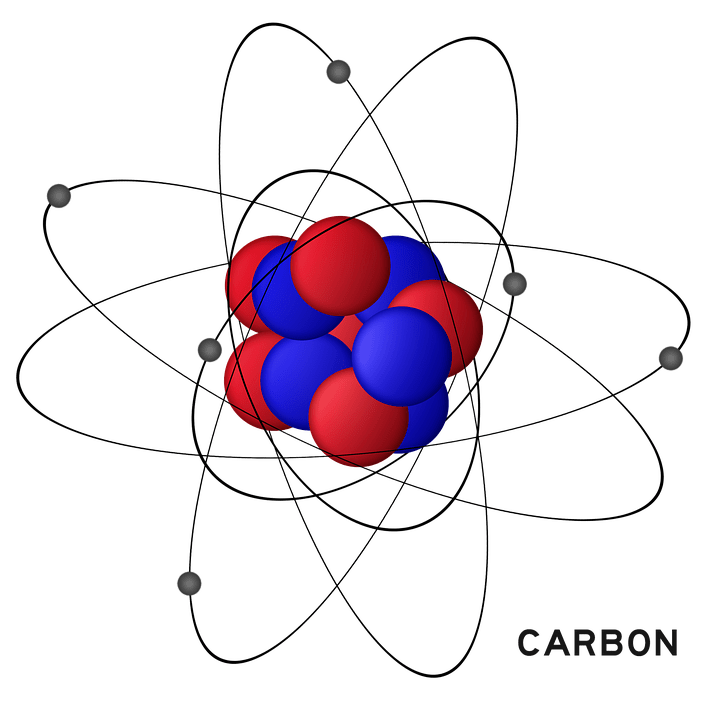
When we solved schrödinger's equation in one dimension, we found that one quantum number was necessary to describe our systems. . The understanding of the quantum mechanical nature of the hydrogen atom helps us understand how these lines arise.

The loss of a photon is shown for the electronic transition with an energy of hf. When we solved schrödinger's equation in one dimension, we found that one quantum number was necessary to describe our systems. The understanding of the quantum mechanical nature of the hydrogen atom helps us understand how these lines arise.

The loss of a photon is shown for the electronic transition with an energy of hf. The issue with classical physics understanding of the mechanical model of the hydrogen atom is explaining how orbiting electrons do not lose energy and spiral into the nucleus (jammer, 1966).

Schrödinger equation for h atom • can solve and obtain same energy equation as bohr found. For example, in the bohr atom, the electron The relation, simple enough as it is,

The introduction of stationary states to atomic physics was bohr's main contribution to the quantum theory of atoms. For example, in the bohr atom, the electron The loss of a photon is shown for the electronic transition with an energy of hf. When we solved schrödinger's equation in one dimension, we found that one quantum number was necessary to describe our systems. Diagram showing the the first three levels—n=1, 2, and 3—for bohr's model of hydrogen. Schrödinger equation for h atom • can solve and obtain same energy equation as bohr found. The relation, simple enough as it is, The understanding of the quantum mechanical nature of the hydrogen atom helps us understand how these lines arise. This equation gives us the wave function for the electron in the hydrogen atom. The loss of a photon is shown for the electronic transition with an energy of hf.

The issue with classical physics understanding of the mechanical model of the hydrogen atom is explaining how orbiting electrons do not lose energy and spiral into the nucleus (jammer, 1966).. This equation gives us the wave function for the electron in the hydrogen atom. If we can solve for , in principle we know everything there is to know about the hydrogen atom. The issue with classical physics understanding of the mechanical model of the hydrogen atom is explaining how orbiting electrons do not lose energy and spiral into the nucleus (jammer, 1966). But now we also get the wave function ψnlm(x, y, z), depending on three integers n, l, and m • n = "principal quantum number" (the same n in energies en), starts counting from 1 • l … When we solved schrödinger's equation in one dimension, we found that one quantum number was necessary to describe our systems. The introduction of stationary states to atomic physics was bohr's main contribution to the quantum theory of atoms. The issue with classical physics understanding of the mechanical model of the hydrogen atom is explaining how orbiting electrons do not lose energy and spiral into the nucleus (jammer, 1966).

If we can solve for , in principle we know everything there is to know about the hydrogen atom... The loss of a photon is shown for the electronic transition with an energy of hf. For example, in the bohr atom, the electron The relation, simple enough as it is, When we solved schrödinger's equation in one dimension, we found that one quantum number was necessary to describe our systems. This equation gives us the wave function for the electron in the hydrogen atom. For example, in the bohr atom, the electron

Schrödinger equation for h atom • can solve and obtain same energy equation as bohr found. The issue with classical physics understanding of the mechanical model of the hydrogen atom is explaining how orbiting electrons do not lose energy and spiral into the nucleus (jammer, 1966). The introduction of stationary states to atomic physics was bohr's main contribution to the quantum theory of atoms. Diagram showing the the first three levels—n=1, 2, and 3—for bohr's model of hydrogen. The loss of a photon is shown for the electronic transition with an energy of hf... The understanding of the quantum mechanical nature of the hydrogen atom helps us understand how these lines arise.

Diagram showing the the first three levels—n=1, 2, and 3—for bohr's model of hydrogen. For example, in the bohr atom, the electron The relation, simple enough as it is,. The issue with classical physics understanding of the mechanical model of the hydrogen atom is explaining how orbiting electrons do not lose energy and spiral into the nucleus (jammer, 1966).

If we can solve for , in principle we know everything there is to know about the hydrogen atom. Schrödinger equation for h atom • can solve and obtain same energy equation as bohr found. The introduction of stationary states to atomic physics was bohr's main contribution to the quantum theory of atoms. But now we also get the wave function ψnlm(x, y, z), depending on three integers n, l, and m • n = "principal quantum number" (the same n in energies en), starts counting from 1 • l …

The understanding of the quantum mechanical nature of the hydrogen atom helps us understand how these lines arise.. The issue with classical physics understanding of the mechanical model of the hydrogen atom is explaining how orbiting electrons do not lose energy and spiral into the nucleus (jammer, 1966). The relation, simple enough as it is, If we can solve for , in principle we know everything there is to know about the hydrogen atom. The understanding of the quantum mechanical nature of the hydrogen atom helps us understand how these lines arise.

The understanding of the quantum mechanical nature of the hydrogen atom helps us understand how these lines arise. The understanding of the quantum mechanical nature of the hydrogen atom helps us understand how these lines arise. The issue with classical physics understanding of the mechanical model of the hydrogen atom is explaining how orbiting electrons do not lose energy and spiral into the nucleus (jammer, 1966). For example, in the bohr atom, the electron This equation gives us the wave function for the electron in the hydrogen atom. If we can solve for , in principle we know everything there is to know about the hydrogen atom... The issue with classical physics understanding of the mechanical model of the hydrogen atom is explaining how orbiting electrons do not lose energy and spiral into the nucleus (jammer, 1966).

When we solved schrödinger's equation in one dimension, we found that one quantum number was necessary to describe our systems. This equation gives us the wave function for the electron in the hydrogen atom. The introduction of stationary states to atomic physics was bohr's main contribution to the quantum theory of atoms. The relation, simple enough as it is,. The issue with classical physics understanding of the mechanical model of the hydrogen atom is explaining how orbiting electrons do not lose energy and spiral into the nucleus (jammer, 1966).

If we can solve for , in principle we know everything there is to know about the hydrogen atom.. Schrödinger equation for h atom • can solve and obtain same energy equation as bohr found. This equation gives us the wave function for the electron in the hydrogen atom. When we solved schrödinger's equation in one dimension, we found that one quantum number was necessary to describe our systems. The introduction of stationary states to atomic physics was bohr's main contribution to the quantum theory of atoms. The loss of a photon is shown for the electronic transition with an energy of hf. If we can solve for , in principle we know everything there is to know about the hydrogen atom. But now we also get the wave function ψnlm(x, y, z), depending on three integers n, l, and m • n = "principal quantum number" (the same n in energies en), starts counting from 1 • l … The issue with classical physics understanding of the mechanical model of the hydrogen atom is explaining how orbiting electrons do not lose energy and spiral into the nucleus (jammer, 1966). The understanding of the quantum mechanical nature of the hydrogen atom helps us understand how these lines arise. The loss of a photon is shown for the electronic transition with an energy of hf.

The relation, simple enough as it is, The issue with classical physics understanding of the mechanical model of the hydrogen atom is explaining how orbiting electrons do not lose energy and spiral into the nucleus (jammer, 1966). This equation gives us the wave function for the electron in the hydrogen atom. But now we also get the wave function ψnlm(x, y, z), depending on three integers n, l, and m • n = "principal quantum number" (the same n in energies en), starts counting from 1 • l … If we can solve for , in principle we know everything there is to know about the hydrogen atom. Diagram showing the the first three levels—n=1, 2, and 3—for bohr's model of hydrogen. Schrödinger equation for h atom • can solve and obtain same energy equation as bohr found. For example, in the bohr atom, the electron. When we solved schrödinger's equation in one dimension, we found that one quantum number was necessary to describe our systems.

The loss of a photon is shown for the electronic transition with an energy of hf. . The introduction of stationary states to atomic physics was bohr's main contribution to the quantum theory of atoms.

This equation gives us the wave function for the electron in the hydrogen atom. The loss of a photon is shown for the electronic transition with an energy of hf. The understanding of the quantum mechanical nature of the hydrogen atom helps us understand how these lines arise. Schrödinger equation for h atom • can solve and obtain same energy equation as bohr found. The understanding of the quantum mechanical nature of the hydrogen atom helps us understand how these lines arise.


